
Bill 60: What Ontario Tenants Need to Know About the New Rental Rules
If you're renting in Ontario, you need to know about Bill 60. This new legislation just passed on November 24, 2025, and it's already changing the rental game across the province. Whether you're in Hamilton, Toronto, or anywhere else in Ontario, these changes affect your rights as a tenant.
Let's break down what Bill 60 actually means for you in plain English: no legal jargon, just the facts you need to protect yourself.
What Is Bill 60?
Bill 60, officially called the "Fighting Delays, Building Faster Act, 2025," makes significant changes to Ontario's Residential Tenancies Act and how the Landlord and Tenant Board (LTB) works. The Ford government says it'll create more rental housing and speed up the system. Tenant advocates? They're not so happy about it.
The bottom line: some of your protections as a renter have been reduced, and eviction processes have been sped up.
The Biggest Changes You Need to Know About
No More Money When Your Landlord Kicks You Out for "Personal Use"
Here's a big one that hits your wallet directly. Before Bill 60, if your landlord evicted you because they wanted to move into your place (or have family move in), they had to pay you one month's rent as compensation. That money helped cover moving costs and gave you a bit of breathing room.
Not anymore. If your landlord gives you at least 120 days notice (about 4 months), they don't have to pay you anything. Zero. Nada.
What this means for you: Start saving now if you think your landlord might want your place back. You'll need to cover all moving expenses yourself, and in today's rental market, that's not cheap.

You Have Less Time to Fight an Eviction
Previously, you had 30 days to appeal an eviction order. Bill 60 cuts that to just 15 days. That might not sound like much, but when you're dealing with stress, trying to find legal help, or just figuring out your options, every day counts.
What this means for you: Don't wait around if you get an eviction notice. Start looking into your options immediately. Contact legal aid, tenant advocacy groups, or a lawyer as soon as possible.
The "50% Rule" - New Barriers to Defending Yourself
This one's particularly frustrating. Let's say your landlord is trying to evict you for not paying rent, but you haven't paid because your apartment has serious problems: maybe no heat, mold, or broken appliances that affect your health and safety.
Before Bill 60, you could bring up these issues as a defense during your hearing. Now, you have to pay 50% of what your landlord claims you owe just to raise these legitimate concerns.
What this means for you: If you're withholding rent due to serious maintenance issues, document everything. Take photos, keep records of all communication with your landlord, and consider seeking legal advice early. You might need to come up with that 50% deposit to defend yourself properly.
Shorter Notice for Rent Problems
Your landlord used to have to give you 14 days notice before applying to the LTB for non-payment of rent. Now it's just 7 days.
What this means for you: If you're behind on rent, you have less time to catch up or work out a payment plan. Don't let rent arrears pile up: address them quickly with your landlord or property management company.
How This Affects Your Daily Rental Life
Be More Proactive About Problems
With these new rules, you can't afford to be passive about rental issues. Document everything from day one:
Take photos of your apartment's condition when you move in
Keep records of all maintenance requests
Save all communication with your landlord or property manager
Know your rights before problems arise
Build Emergency Savings
Since you won't get compensation for certain evictions anymore, having an emergency fund is more critical than ever. Try to save at least two months' rent for moving costs, deposits on a new place, and other unexpected expenses.
Stay on Top of Rent Payments
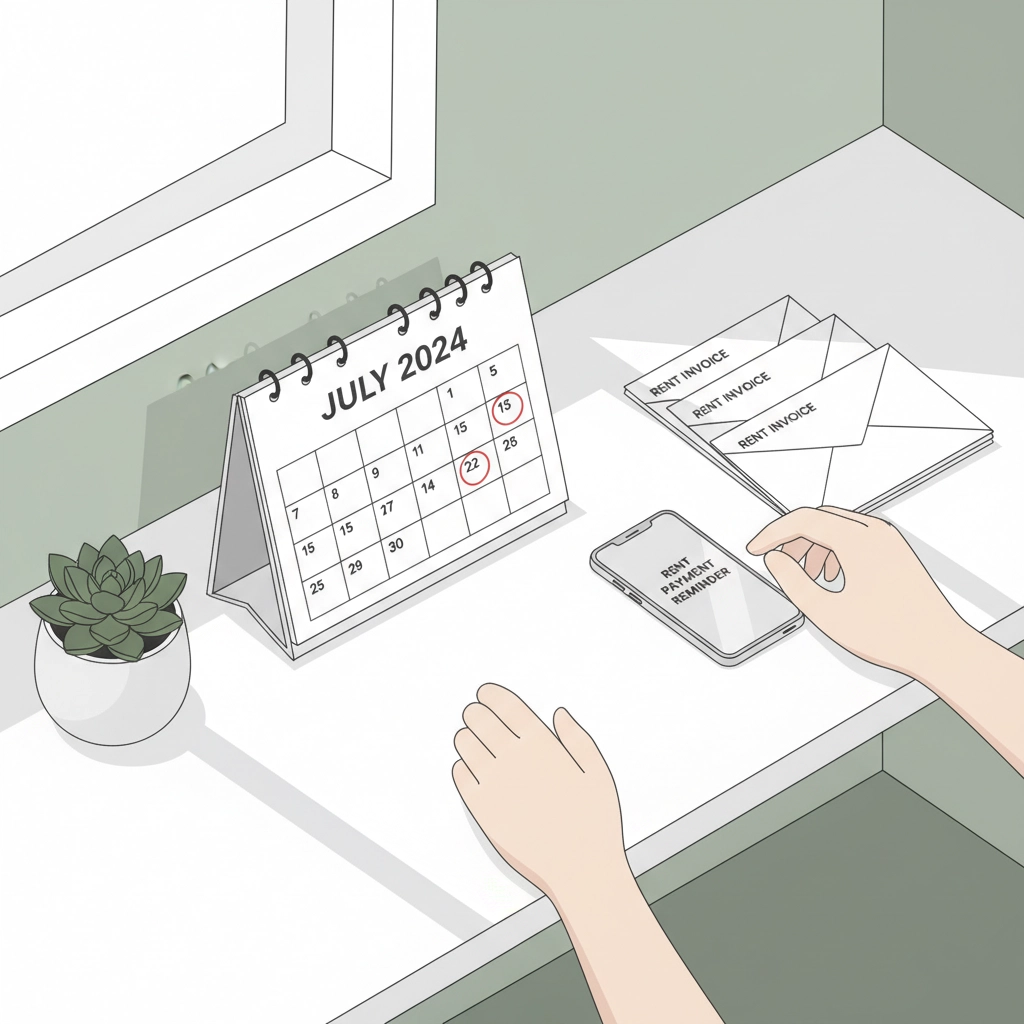
With only 7 days notice before your landlord can apply to evict you for non-payment, staying current on rent is crucial. If you're struggling financially, talk to your landlord or property management company early. Many are willing to work out payment plans if you communicate proactively.
Your Rights Haven't Completely Disappeared
While Bill 60 reduces some tenant protections, you still have important rights:
Your landlord still needs proper reasons to evict you
Rent increase limits still apply (currently capped at 2.5% for 2025)
You can still file complaints about maintenance issues
Bad faith evictions are still illegal
The key is knowing how to use these rights effectively under the new rules.
What You Should Do Right Now
1. Review Your Lease and Know Your Situation
Make sure you understand your lease terms and current rental situation. Are you month-to-month or on a fixed term? Is your landlord likely to want your unit back? Knowing where you stand helps you plan ahead.
2. Create a Documentation System
Start keeping records of everything rental-related:
Photos of your unit's condition
All communication with your landlord
Maintenance requests and responses
Rent payment receipts
Any notices you receive
3. Know Where to Get Help
If you run into problems, know where to turn:
Legal Aid Ontario for free legal advice
Local tenant advocacy groups
The Landlord and Tenant Board's website for forms and information
4. Build Relationships
Having a good relationship with your landlord or property management company can make a huge difference. If you need to negotiate payment plans or discuss maintenance issues, it's easier when there's mutual respect and communication.

The Controversial Side of Bill 60
Let's be honest: Bill 60 is controversial for good reason. Tenant advocates argue it tips the scales too far toward landlords, making it easier to evict people and harder for tenants to defend themselves.
The government says it'll increase housing supply by encouraging more people to become landlords. Whether that actually happens remains to be seen.
What's clear is that as a tenant, you need to be more vigilant about protecting your rights and more proactive about addressing problems.
Looking Forward
Bill 60 represents a significant shift in Ontario's rental landscape. While the government argues these changes will eventually benefit renters through increased housing supply, the immediate impact is reduced protections for tenants.
The key to navigating these changes successfully is staying informed, being proactive, and knowing where to get help when you need it. Don't wait until you're facing an eviction to learn about your rights: understand them now.
If you're dealing with rental issues in Hamilton or anywhere in Ontario, remember that good property management companies want to work with tenants, not against them. Clear communication and mutual respect can often resolve problems before they escalate to legal proceedings.
For more detailed information about your rights and responsibilities as an Ontario tenant, check out our comprehensive guide to Ontario renters' rights.
Bill 60 is now the law, but that doesn't mean you're powerless. Stay informed, stay organized, and don't hesitate to seek help when you need it. Your home is worth protecting.
Comments